.svg)
Advanced Facade Solutions: Understanding Building Envelope Mechanics
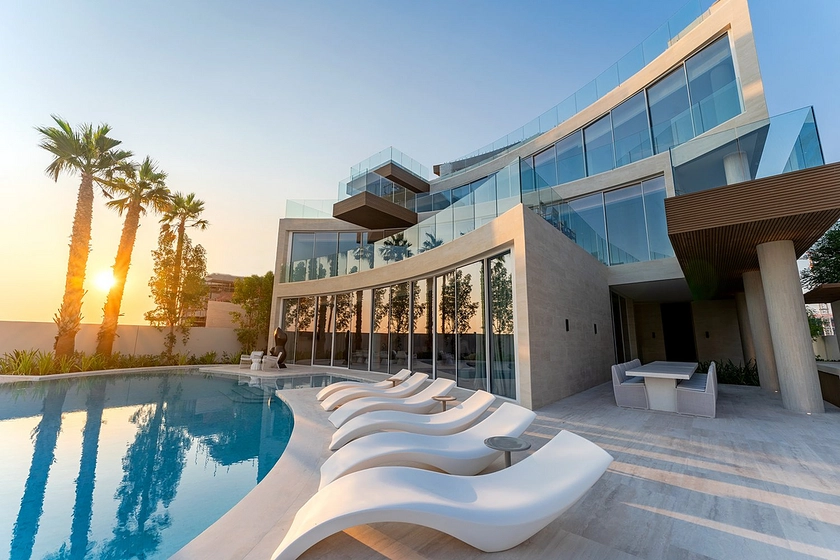
A building’s exterior acts as its first line of defense against the elements while serving as a primary visual statement in modern construction. This outer shell, often referred to as a facade solution, dictates how a structure performs and how the public perceives its design. Architects and developers prioritize these facade solutions because they effectively control temperature, light, and sound within the interior space.
The right facade solutions reduce energy costs significantly by managing the flow of heat and air between environments. This creates a comfortable environment for occupants regardless of the weather conditions outside the building. Modern engineering allows these skins to be lighter and stronger than ever before, making the selection process a critical decision in any construction project.
Advanced Facade Solutions: Understanding Building Envelope Mechanics
Comprehensive facade solutions encompass the entire exterior envelope of a building, including walls, windows, cladding, and roofing elements. The term originates from the French word for "face," which perfectly describes the visual identity a building presents to the public. However, the engineering behind this building envelope is complex and vital for long-term structural integrity.
These systems must handle multiple forces simultaneously, such as resisting immense wind loads that impact tall structures. They must also manage moisture to prevent mold and rot while allowing the building to "breathe" to avoid condensation. Balancing these requirements demands high-quality materials and precise engineering to ensure the facade solution performs as intended.
Modern facades are often separated from the structural core of the building, a design approach central to curtain wall systems. Because it does not carry the weight of the roof or floor, this non-structural layer can utilize lightweight materials. This allows for vast walls of light and open views without compromising the building's stability.
High-Performance Facade Solutions: Primary Functions of Exterior Systems
Every facade solution must perform specific tasks to be considered effective for modern commercial architecture or residential use. The aesthetics might grab initial attention, but the technical performance keeps the building viable over its entire lifecycle. If a system fails in these areas, the building will suffer from higher operational costs and potential damage.
Weatherproofing and Moisture Management: Weather Protection
The most basic job of any exterior is keeping water out to protect the internal structural components. Rain, snow, and humidity are persistent threats that require advanced sealing technologies and drainage channels to manage effectively. High-quality facade solutions stop moisture from penetrating the interior walls where it could cause significant harm.
Thermal Performance and Heat Control: Thermal Regulation
Controlling heat transfer is essential for modern construction and achieving high energy efficiency ratings. In the summer, the facade must reflect solar heat, while in the winter, it must retain internal heat effectively. High-performance facade solutions use thermal breaks and insulated glazing to achieve this delicate balance.
Acoustic Insulation and Sound Dampening: Acoustic Control
Noise pollution is a major concern in urban environments, making acoustic insulation a priority for developers. A quality facade solution acts as a sound barrier between the busy street and the quiet interior space. Different materials offer varying levels of sound dampening, with laminated glass being particularly effective at blocking traffic noise.
💡 Key Takeaways
- Facades are the primary barrier against weather, noise, and temperature extremes.
- Modern systems often separate the outer skin from the structural frame.
- Effective moisture management is critical to prevent long-term structural damage.
Common Material Options for Modern Architectural Facades
The choice of material defines the character and durability of the building envelope. Architects select these based on budget, climate, and desired appearance to create unique architectural facades. Each material brings its own set of advantages and specific maintenance requirements for the property owner.
Glass and Glazing
Glass is the dominant material in modern commercial architecture, allowing natural light to flood interior spaces. Advanced glazing can filter out harmful UV rays while letting visible light pass through to boost occupant productivity. However, these facade solutions require regular cleaning to maintain their transparency and visual appeal.
Metal Cladding
Aluminum, steel, and zinc are popular for their longevity and versatility in exterior cladding systems. Metal panels can be formed into complex shapes and coated in any color to match a brand's identity. They are lightweight and place less stress on the building's foundation than traditional masonry.
Stone and Masonry
Natural stone conveys permanence and prestige, though granite and limestone require robust structural support systems. Stone veneers offer a similar look with less weight, making them a practical alternative for many facade solutions. These materials are highly durable and offer excellent resistance to fire and extreme weather.
💡 Pro TipConsider the local climate carefully when choosing materials. In coastal areas, salt spray can corrode certain metals quickly, making marine-grade aluminum or stone better choices for your facade solution.
Maximizing Energy Performance with Sustainable Building Materials
Buildings consume a massive amount of global energy, and the facade solution is the primary tool for reducing this consumption. A "tight" building envelope prevents conditioned air from escaping the interior. This means HVAC systems do not have to work as hard to maintain a set temperature, lowering costs.
Solar heat gain is another critical factor that impacts the sustainability of a structure. In hot climates, facade solutions often incorporate shading devices or reflective coatings to mitigate excessive sun exposure. Conversely, in cold climates, passive solar heating can be beneficial for reducing the building's carbon footprint.
Sustainability also involves the use of sustainable building materials throughout the construction process. Many modern energy-efficient facades use recycled metals or sustainable timber to minimize environmental impact. This holistic approach considers the entire lifecycle of the building, from manufacturing to eventual demolition.
Selecting the Best Facade Solutions Service Provider for Modern Construction
The difference between a successful project and a maintenance nightmare often comes down to the installation team. Precision is non-negotiable when dealing with weatherproofing and structural loads in facade solutions. You need a partner who understands both the aesthetic vision and the engineering realities of modern construction.
Malmo Interiors has established itself as the premier facade solutions service provider in this sector. Their team brings a level of expertise that ensures every panel and pane is installed correctly. They handle distinct challenges with practical facade solutions that keep projects on track and within budget. Their comprehensive approach covers everything from initial consultation to final inspection.
Working with a top-tier provider minimizes risk and ensures the longevity of the building envelope. Malmo Interiors coordinates the logistics of delivering and installing complex curtain wall systems. You can explore their full capabilities and past projects. Choosing a provider with this track record protects your investment for decades.
The Professional Curtain Wall Systems Installation Process
Implementing facade solutions within modern construction is a systematic process that requires careful planning and execution. The timeline depends on the complexity of the design and the exterior cladding systems chosen. Safety is paramount during this phase, as much of the work occurs at height using specialized equipment.
Implementing a Facade System
1- Conduct a Structural Analysis
Engineers must verify that the building frame can support the weight of the new facade solution. This step identifies necessary reinforcements before any material is ordered.
💡 Tip: Use 3D scanning for existing buildings to get precise measurements.
2- Install the Anchor Systems
Technicians attach brackets and rails to the main structure. These anchors must be perfectly aligned to ensure the final facade surface is flat and true.
3- Mount and Seal Panels
The facade panels or glass units are lifted into place and secured. Joint sealants and gaskets are applied immediately to create a weather-tight barrier.
Maintenance and Longevity of High-Quality Building Envelopes
Even the most durable facade solutions need attention over time to maintain their performance. Pollution, dirt, and bird droppings can degrade the appearance and function of the building envelope. Regular cleaning schedules preserve the aesthetic appeal and allow for routine inspections of the seals.
Sealants generally have a shorter lifespan than the panels themselves, typically lasting between 10 to 20 years. Inspecting these joints regularly prevents water leaks that could go unnoticed for months. Early detection of a failed seal in your facade solution saves thousands of dollars in interior repairs.
Glass units can also fail over time, usually indicated by fogging between the panes. Replacement is usually straightforward if the curtain wall systems were designed with maintenance in mind. Access equipment like cradles or lifts must be considered during the design phase to facilitate these essential repairs.
💡 Key Takeaways
- Regular cleaning prevents long-term degradation from pollution and debris.
- Sealants are the most common point of failure and require periodic inspection.
- Working with experienced providers like Malmo Interiors ensures proper installation and support.
Cost Considerations and ROI for Premium Exterior Cladding Systems
Investing in high-quality facade solutions for commercial architecture requires significant capital but offers a clear return on investment. Cheaper systems often lack the thermal efficiency of premium exterior cladding systems, leading to higher utility bills. These costs accumulate over the building's life, often exceeding the initial savings of a budget system.
There is also the factor of property value and tenant retention to consider. Buildings with modern architectural facades command higher rents and sell for better prices in competitive markets. Tenants prefer spaces that offer natural light and consistent comfort provided by a high-performance facade solution.
Durability also plays a major role in long-term cost analysis for developers. A system that needs major repairs after only ten years is not cost-effective for any owner. Investing in materials like high-grade aluminum or natural stone pays off through reduced maintenance and increased longevity.
Future Trends in Energy-Efficient Facades and Innovative Exterior Design
The industry continues to innovate with "smart" facade solutions and energy-efficient facades that change properties based on environmental conditions. For example, electrochromic glass can tint automatically when the sun is too bright to reduce cooling loads. These systems lower the need for internal blinds and improve occupant comfort dynamically.
Green facades, which incorporate living plants, are also gaining traction in sustainable urban development. They improve air quality and provide natural cooling through evaporation while enhancing the building's aesthetic appeal. These innovations show that the function of a building's skin is expanding beyond simple protection.
Conclusion
Facade solutions define the intersection of art and engineering in modern construction. They are responsible for the comfort of occupants and the long-term longevity of the structure. From thermal performance to visual impact, the exterior skin works harder than any other part of the building.
Prioritizing quality in the design and installation phases prevents costly issues down the road. Companies like Malmo Interiors demonstrate the value of expertise in this demanding field of facade solutions. By understanding the mechanics and options available, property owners can make decisions that enhance value and performance. A building is only as good as its skin, so investing in a superior solution is always a smart move.
.png)
.svg)
.svg)
.svg)
.svg)