.svg)
Understanding the Core Components of MEP Works and MEP Engineering
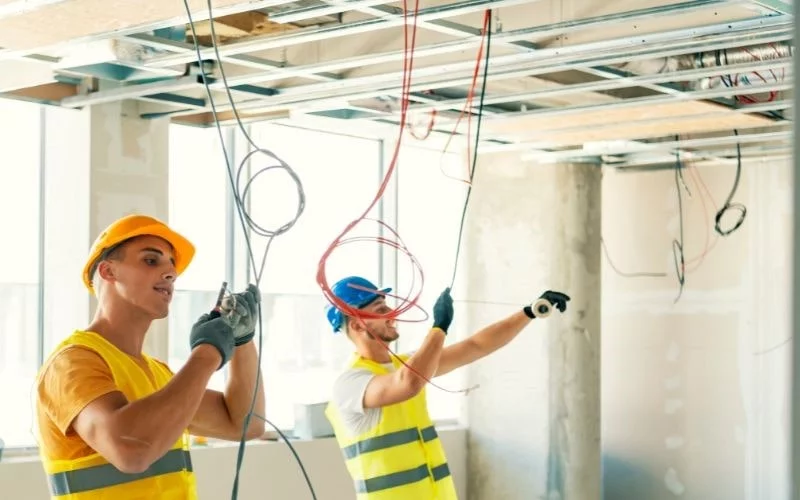
Building a modern structure requires more than just concrete and steel; you need sophisticated systems that bring the building to life. This is where professional MEP works come into play to ensure every facility operates at peak performance levels. These systems function like the organs of a body, regulating temperature, providing power, and managing water distribution effectively. Without them, a building is just a hollow shell.
The quality of MEP work determines the comfort and safety of the occupants while dictating how much energy the building consumes. Poorly designed systems lead to high utility bills and frequent breakdowns, whereas high-quality MEP engineering creates efficient, sustainable environments. This article explores the critical components of these systems and why choosing the right partner is vital for success. For those seeking the absolute best in the industry, Malmo Interiors stands out as the premier MEP works service provider.
Understanding the Core Components of MEP Works and MEP Engineering
MEP stands for Mechanical, Electrical, and Plumbing, covering the essential systems that make a building habitable and safe. Comprehensive MEP engineering combines these fields to create a unified environment where every component works in perfect harmony. A conflict between a pipe and a wire can cause big delays, which is why integrated MEP design is vital. Each part must work with the others to ensure long-term operational success.
Mechanical engineering focuses on heating, cooling, and ventilation, managing the air quality and thermal comfort for all occupants. Electrical engineering handles the power supply, including lighting, outlets, and safety systems that protect the building's infrastructure. Plumbing engineering deals with water delivery and waste removal, keeping the water clean and the drains flowing properly. These MEP services are the backbone of any modern construction project.
Integrating these systems requires high-level skill and coordination between various technical teams and project stakeholders. A specialized engineering firm usually handles the coordination to ensure the mep systems fit within the architectural design. The goal is seamless operation that provides a comfortable and efficient environment for everyone inside the building.
The Design Phase and MEP Design Planning
The success of any MEP project starts with meticulous design, where engineers use advanced tools to map out every duct. Revit MEP is a popular mep software for this task, allowing designers to create detailed 3D models of the systems. This helps spot clashes before construction begins, ensuring the systems design is flawless and ready for implementation.
During the design phase, engineers calculate loads and capacities to ensure the building can handle its intended usage. They might use a complex excel sheet to track energy requirements and optimize the overall performance of the facility. Precision here is critical, as engineers must specify the exact building materials required for long-term durability and safety compliance. If the calculations are off, the air conditioning might not cool the room enough, leading to discomfort.
💡 Pro Tip Always review the clash detection reports from the design software. Solving a conflict on a computer screen is free. Solving it on the construction site costs thousands of dollars.
Good MEP design also considers future maintenance, ensuring that pipes and wires remain accessible for regular inspections. If a technician cannot reach a valve, repairs become expensive and time-consuming for the building management team. The design team works closely with architects to hide these systems while keeping them reachable for necessary technical services.
Mechanical Engineering Systems and HVAC in MEP Work
The mechanical component is often the most expensive part of mep works, typically referring to complex HVAC systems. HVAC stands for Heating, Ventilation, and Air Conditioning, and in hot climates, these systems are vital for survival. Proper mechanical engineering ensures that these systems are sized correctly to provide maximum comfort without wasting valuable energy.
HVAC design involves selecting the right equipment size to balance performance with energy efficiency across the entire building. An oversized unit wastes energy, while an undersized unit runs constantly and fails to cool the space effectively. Engineers design the hvac duct layout to deliver air silently and efficiently, ensuring a peaceful environment for all occupants.
Air conditioning systems must also manage humidity levels to prevent mold growth and maintain a healthy indoor atmosphere. Modern conditioning systems filter the air to remove dust and allergens, which significantly improves indoor air quality. This focus on health and comfort is a hallmark of high-quality mep solutions in modern construction.
💡 Key Takeaways
- Mechanical systems account for a large portion of the total project budget.
- Proper sizing of HVAC units prevents energy waste and equipment failure.
- Advanced filtration improves indoor air quality and occupant health.
Electrical Engineering and Plumbing Engineering Essentials
The electrical side of mep engineering is changing fast and no longer involves just light bulbs and wiring. It now involves smart building integration and advanced management systems that control everything from security to lighting. Engineers design the systems to handle high-speed data networks and complex security feeds for modern facilities.
Energy management is a top priority for developers looking to reduce operational costs and environmental impact. Modern systems monitor usage in real-time, which helps in energy conservation and meeting sustainability goals. Automated lights turn off when rooms are empty, significantly reducing the carbon footprint of the entire building.
Plumbing works are equally complex, requiring precise engineering to maintain pressure on the top floor of a skyscraper. Plumbing systems must also handle hot water circulation and efficient waste management for all residents. Plumbing services include designing the water supply network and drainage, extending to specialized areas like a swimming pool.
Sourcing Building Materials and the Trading LLC Supply Chain
A successful project relies on high-quality building materials sourced from reliable vendors who understand the industry's demands. In many international markets, these vendors operate as a trading llc, providing essential components for construction. Finding the right trading llc ensures you get genuine parts on time to keep the project on schedule.
For example, you might need a specialized cables trading llc for electrical wiring and data infrastructure. Then you need a separate pipes trading llc for the plumbing and fire suppression systems. The coordination between the contractor and the supply chain is vital for maintaining the project's overall quality.
Here are common supplier types involved:
- General Trading LLC: Supplies a wide range of building materials for various construction needs.
- HVAC Trading LLC: Specializes in air conditioning units, parts, and specialized ventilation equipment.
- Electrical Trading LLC: Provides high-quality switchgear, fixtures, and wiring for power distribution.
- Plumbing Trading LLC: Delivers pumps, pipes, and sanitary ware for plumbing systems.
- Safety Trading LLC: Supplies fire alarms and suppression gear to ensure building safety.
- Insulation Trading LLC: Provides materials to keep heat out and improve energy efficiency.
- Steel Trading LLC: Supplies structural supports for heavy machinery and mechanical equipment.
- Tools Trading LLC: Provides the specialized equipment needed for professional installation.
- Lighting Trading LLC: Focuses on LED and architectural lighting for modern mep design.
- Chemicals Trading LLC: Supplies water treatment for cooling towers and other mechanical systems.
Contractors often maintain a list of trusted suppliers and use a shared excel sheet to track orders. This prevents delays and ensures that every trading llc delivers the correct building materials as needed. Using substandard materials puts the whole project at risk and can lead to costly future repairs.
Regional MEP Services Expertise in the United Arab Emirates
Construction standards vary by location, and the United Arab Emirates is known for its impressive and complex skylines. Cities like Abu Dhabi and Dubai UAE have strict regulations that require specialized mep services to meet high standards. The selection of specialized building materials is crucial for withstanding the local climate and ensuring system integrity.
In Abu Dhabi, regulations focus heavily on sustainability and long-term energy efficiency for all new developments. The United Arab government pushes for green building practices, requiring technical services providers to adhere to strict rules. An engineering consulting firm in this region must understand the local code to ensure full compliance.
Civil construction in the desert faces specific challenges, such as sand and dust that can clog filters. High temperatures stress power distribution networks, requiring robust MEP solutions that can handle the extreme load. A project in Dubai UAE requires different specs than one in a more temperate climate.
Focus on the UAE Market and MEP Solutions
The United Arab Emirates serves as a global benchmark for modern MEP work and innovative construction practices. The scale of projects in Abu Dhabi drives innovation, forcing companies to develop more efficient systems. Companies operating there often export their expertise because they know how to build systems that survive harsh conditions. This makes Arab Emirates based firms highly competent and sought after for international projects.
Why Malmo Interiors is the Best Choice for Integrated MEP Solutions
When you need top-tier MEP services, you need a partner with a proven track record of success. Malmo Interiors is the industry leader, providing integrated mep solutions that cover every aspect of your building. Their commitment to quality and efficiency makes them the preferred choice for developers across the region.
Malmo Interiors is more than just a contractor; they are a complete service provider for all your engineering needs. They handle everything from the initial design phase to the final handover and maintenance support. Their team excels in turnkey projects, taking full responsibility for the result and ensuring total client satisfaction.
What Sets Malmo Apart for MEP Services?
- Expert Team: They employ highly skilled engineers in mechanical, electrical, and plumbing fields for every project.
- Quality Materials: They source the best building materials from trusted trading llc partners globally.
- Advanced Tech: They utilize building management software to optimize performance and reduce energy consumption.
- Local Knowledge: They understand the specific needs of regions like Abu Dhabi and the wider UAE.
Choosing Malmo Interiors guarantees that your MEP work meets the highest standards of quality and safety. They do not cut corners and focus on the longevity and efficiency of every system they install. Whether you are building an office or a luxury villa, they have the expertise you need.
How to Select an MEP Provider for MEP Works
1- Verify Their Portfolio
Look at their past projects and ask to see examples of MEP works they have completed successfully. Check if they have experience with projects similar to yours in scale and complexity.
💡 Tip: Visit a completed site if possible to see the quality of installation and system performance.
2- Check Certifications and Compliance
Ensure they follow local regulations and hold the necessary licenses for the United Arab Emirates market. Compliance is non-negotiable for safety and legal reasons.
3- Review Their Terms
Read the contract carefully and check their privacy policy regarding your sensitive project data. Understand their maintenance support terms to ensure long-term system reliability.
Building for the Future
MEP engineering is the invisible force that makes modern life possible, turning a static structure into a dynamic environment. From the flow of water to the hum of the air conditioning, these systems work non-stop to provide comfort. Investing in quality MEP works pays off by lowering operational costs and significantly increasing the overall property value.
Using high-grade building materials reduces the need for frequent repairs and ensures the longevity of the entire structure. Working with a top-tier service MEP provider like Malmo Interiors gives you peace of mind throughout the construction process. They ensure that every mep project is completed to the highest standards of excellence and efficiency.
Whether you are in Abu Dhabi or looking at global best practices, the principles of quality engineering remain the same. Good design, quality materials, and expert installation are non-negotiable for any successful building project. Do not compromise on the systems that keep your building running; choose a partner who understands the science of MEP.
.png)
.svg)
.svg)
.svg)
.svg)

.jpg)